Gifting a Guardian: How to Choose a Thangka Pendant for Someone Else
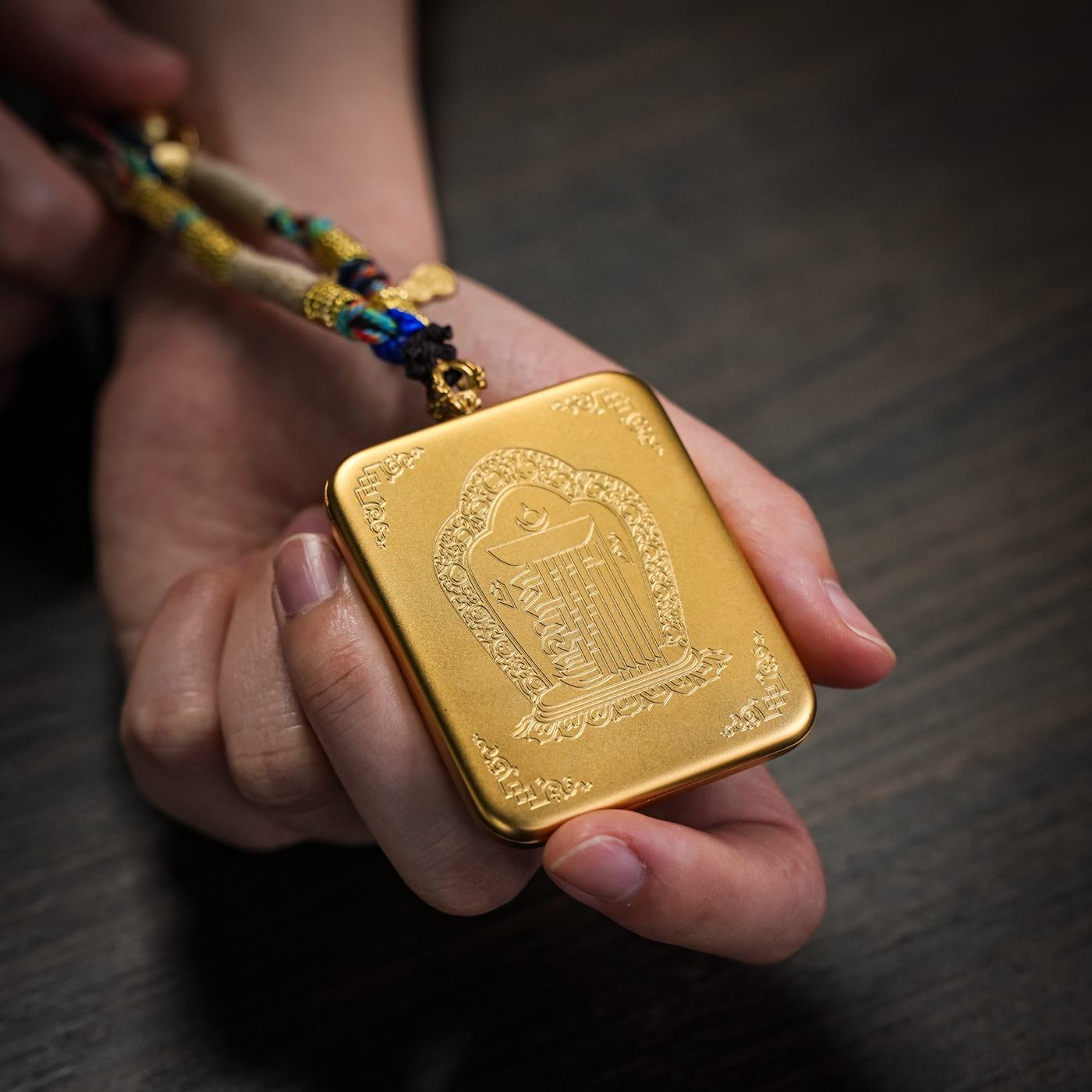
A thangka gau pendant makes an unusually personal gift, but that same personality can make choosing one for someone else feel higher-stakes than picking out a standard piece of jewellery. Here is a straightforward way to get it right.
Start with their birth year
The single most reliable approach is the traditional one: look up which of the eight zodiac guardians corresponds to the recipient's lunar birth year using our guardian finder or the full zodiac map, and choose that pendant. This method needs no personal interpretation on your part and carries the weight of a long-standing tradition, which makes it very hard to get "wrong" as a gift.
This is especially fitting for milestone birthdays, a new baby, or any occasion explicitly tied to someone's age or year of birth.
When you don't know their birth year
If you don't know the exact year, or the gift is for someone whose birth year you'd rather not ask about directly, choosing by the quality or life stage they're in is a well-established alternative:
- Mañjuśrī for a student, someone studying for exams, or facing a big decision — see our full guide.
- Green Tārā for someone going through a difficult passage, illness or major transition.
- Yellow Jambhala for a new job, business launch or house purchase.
- Kṣitigarbha for someone deeply devoted to family, or grieving a loss.
Framed this way, the gift is chosen for what the recipient is going through right now, which many people find even more thoughtful than a birth-year pairing they might not personally know the meaning of.
What to write in the blessing card
Every selenecc pendant arrives with a card explaining the guardian's meaning, but a short personal note alongside it makes the gift land better. A simple structure that works well:
- Name the guardian and, if relevant, the connection to their birth year or situation.
- One sentence on the specific quality you associate with them and this guardian — courage, patience, warmth, focus.
- A short wish, kept simple: "Wearing this close, thinking of you" carries more warmth than an elaborate blessing borrowed from elsewhere.
Presentation: less wrapping, more meaning
Because each pendant already arrives in its own brocade gift box with the meaning card included, it generally needs very little additional wrapping to feel complete — over-wrapping a piece that already comes beautifully presented can actually dilute the moment of opening it rather than add to it. A simple gift bag or a single layer of tissue paper around the existing box, with your personal note tucked alongside the printed card, tends to land better than elaborate wrapping that takes attention away from the piece itself.
Giving it to someone of a different faith or no faith
This comes up often enough to answer directly: giving a thangka gau pendant to someone who isn't Buddhist, or has no religious practice at all, is broadly considered appropriate, provided the gift is framed around its cultural and symbolic meaning rather than presented as a religious conversion or obligation. Most recipients, regardless of their own beliefs, respond well to a gift explained honestly as "a piece of Himalayan craftsmanship with this meaning behind it" rather than a demand that they adopt a practice. If you're at all unsure how a specific person might feel about religious imagery generally, a Protector or wisdom-themed piece — chosen for the quality it represents rather than a religious framing — usually feels more universally comfortable than a birth-year guardian pitched as spiritually significant.
Occasions this suits
Beyond birthdays, thangka gau pendants are commonly given for graduations (paired with Mañjuśrī), new ventures (Yellow Jambhala), recovery from illness or a hard year (Green Tārā or Kṣitigarbha), and as a lunar new year gift generally, when the zodiac framing feels most natural and timely.
Common questions
Is it okay to guess someone's birth year if I'm not sure?
If you're only unsure by a year or two, check the exact lunar new year cutoff for the relevant years using the finder — Chinese zodiac years don't align exactly with the January 1st calendar year, so a birthday in January or early February needs a closer look.
What if they already have a birth-year guardian?
A second pendant chosen by intention rather than birth year — Green Tārā, Yellow Jambhala or another protector figure — makes a meaningful, non-repetitive follow-up gift.
Does the gift need to be explained, or does it stand on its own?
The included meaning card explains the guardian fully, so the gift works even with no explanation from you — though a short personal note, as above, adds warmth without requiring you to be an expert on the tradition.