Winter Wear Tips: Protecting Your Pendant in Cold Weather
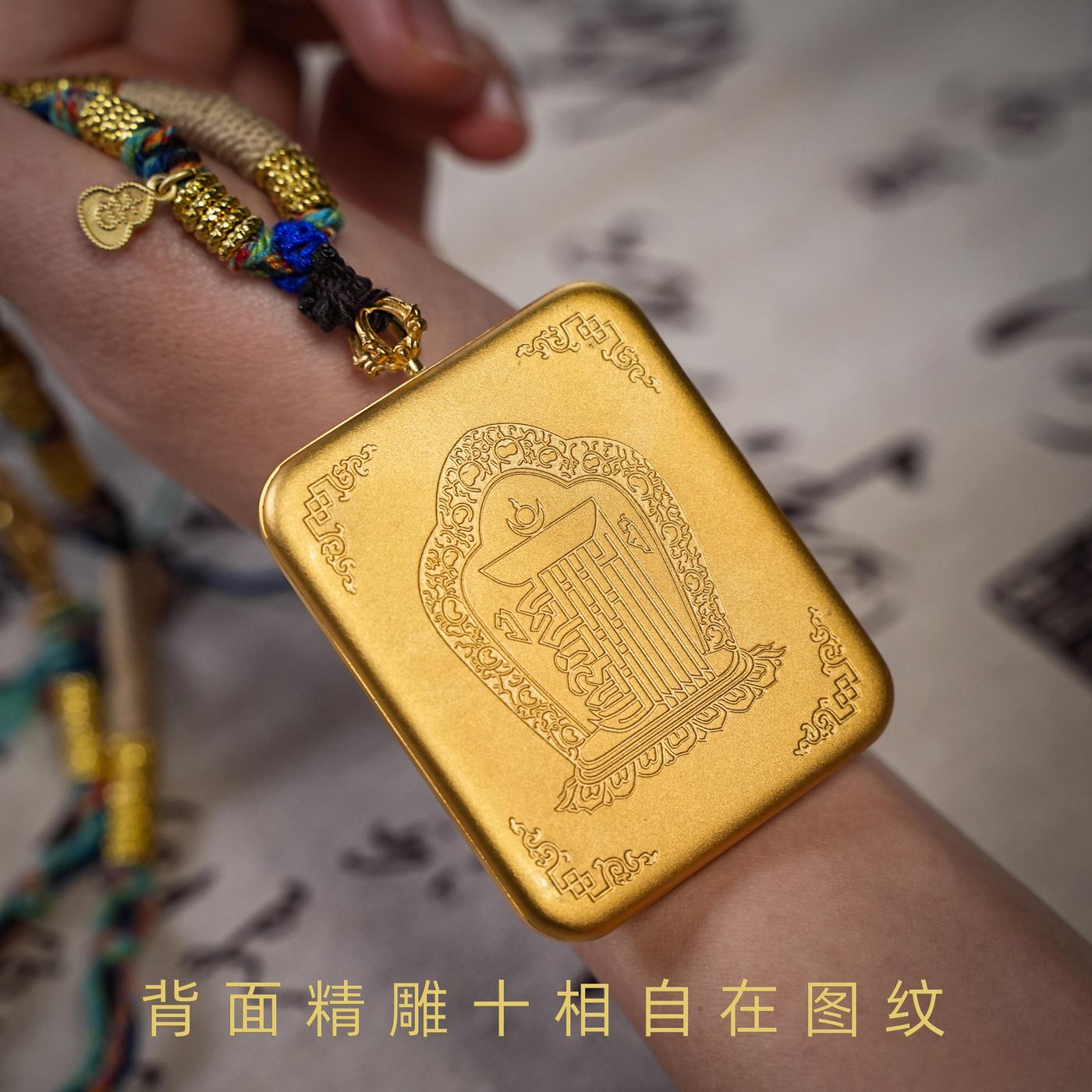
Winter is generally gentler on brass than summer humidity is, but the cord and clasp face a different set of small challenges — friction from heavy layers, dry indoor heating, and sudden shifts between freezing outdoor air and warm rooms. Here is how to handle all three.
Layering with scarves and sweaters
Wool and knit fabrics can snag gently on a braided cord's texture, and a scarf worn directly over the pendant adds friction every time you move. Where possible, wear the pendant over a base layer and under an open coat or cardigan rather than trapped beneath a tightly wound scarf, so it moves freely instead of being pressed and rubbed.
If you do wear a scarf over it, a quick check at the end of the day for any loosened threads at the tassel ends is a good habit — catching a small snag early prevents it from working its way further into the braid.
Static and dry indoor air
Heated indoor air in winter is significantly drier than summer air, which can cause natural fibre cords to feel slightly stiffer and more prone to static cling against wool or synthetic clothing. This is cosmetic rather than damaging, but if it bothers you, a very light touch of a fabric-safe anti-static spray on nearby clothing (not directly on the cord) can help, or simply running a slightly damp cloth over the cord occasionally to reintroduce a little moisture.
Cold-to-warm temperature shifts
Moving quickly from freezing outdoor air into a warm, humid room — a cafe, a car with the heater on — can cause brief condensation on cold metal, the same way glasses fog up. It is harmless in small amounts, but leaving moisture sitting on the brass repeatedly over a season can very slightly speed up patina formation. A quick wipe with a dry cloth after coming inside on especially cold days is a simple precaution.
Cold metal against skin
On very cold mornings, brass that's been resting overnight in an unheated room can feel noticeably cool against the skin for the first minute or two of wear — a purely physical, harmless sensation rather than any sign of a problem. If it bothers you, simply hold the pendant in a closed hand for a few seconds before putting it on to take the edge off, the same way you might warm a cold ring before sliding it on.
Storage while travelling
If you are packing the pendant rather than wearing it during winter travel — flights, ski trips, cold-climate holidays — store it in its original pouch or gift box rather than loose in a coat pocket, where zippers, buttons and other jewellery can scratch the brass or tangle the cord. A soft interior pocket of a bag, away from keys or coins, works well for short trips.
Winter is peak gifting season
Between year-end holidays and the Lunar New Year, winter is when a thangka gau pendant is most often given as a gift rather than bought for oneself — the zodiac framing lines up naturally with a new year, and a birth-year guardian makes a thoughtful, easy-to-explain present. If you're choosing one for someone else this season, our gifting guide covers exactly how to pick the right pendant and what to write in the card.
Common questions
Can cold weather crack the brass or the paint?
No — ordinary winter cold is well within what the materials are made to handle. The concerns above are about comfort and cord condition, not structural risk to the pendant itself.
Should I take it off before going outside in snow?
Not necessary for normal wear; brief snow contact dries off without issue. Extended exposure during activities like skiing, where it may repeatedly get wet and re-freeze, is the one case where removing it is the safer choice.
Does cold weather affect the sliding knot's grip?
Slightly stiffer fibres in dry, cold conditions can make the knot feel a touch firmer to adjust. It still slides with steady, gentle pressure — just avoid forcing it quickly.